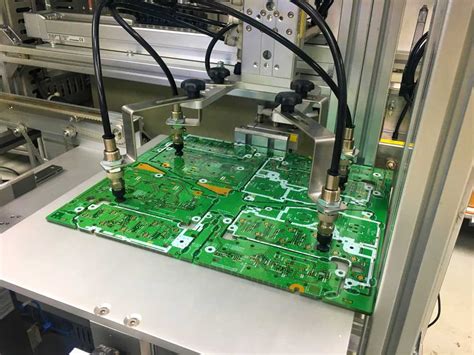
Teach You How to Make PCB Milling Boards Step-by-Step
Introduction to PCB Milling PCB milling is a process of creating printed circuit boards (PCBs) using a computer-controlled milling machine. This method allows for rapid[…]
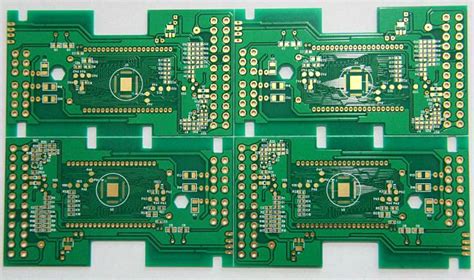
What Is PCB Etching and How Does It Work?
What Is PCB Etching? PCB etching is the process of removing unwanted copper from a copper-clad substrate to create the desired circuit pattern. The copper-clad[…]
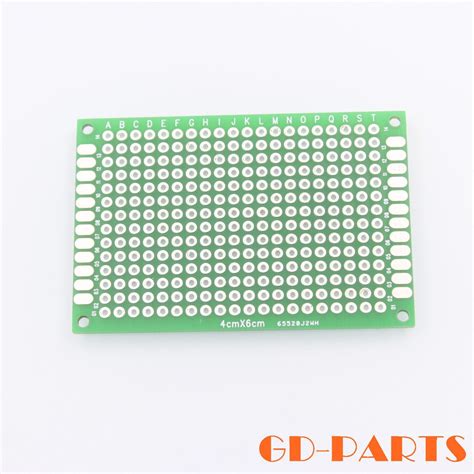
PCB Board Blank-Ultimate Free Advice And Guidance
What is a PCB Blank? A PCB (Printed Circuit Board) blank is a bare circuit board without any components soldered onto it. It consists of[…]
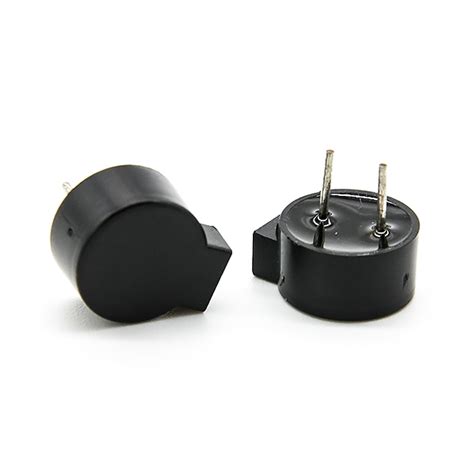
Piezo vs. Magnetic Buzzer: High-Quality, Low-Cost Sound Devices
Introduction to Piezo and Magnetic Buzzers In today’s world of electronic devices, buzzers play a crucial role in providing audible feedback and alerts. Two common[…]
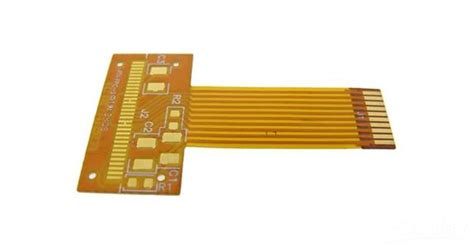
PCB Stiffener: A Mechanical Support for Flexible and Rigid-Flex PCBs
What is a PCB Stiffener? A PCB stiffener is a mechanical support component that is attached to a flexible or rigid-flex printed circuit board (PCB)[…]
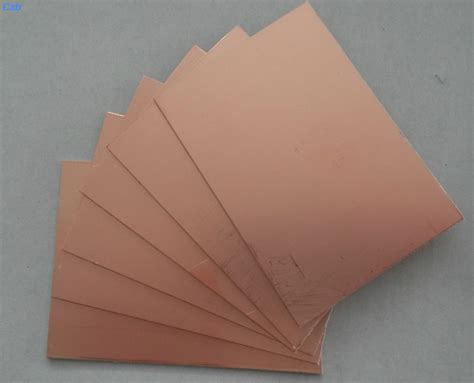
Copper Clad: Everything You Should Know
What is Copper Clad? Copper clad is a type of material that consists of a base metal, typically steel or aluminum, which is then coated[…]
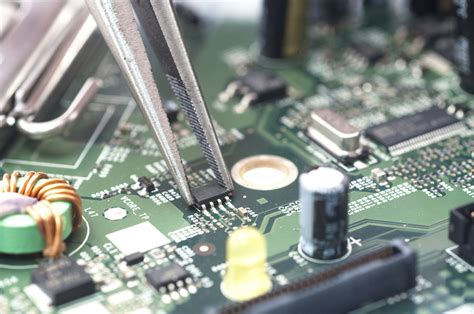
What is the difference between PCB fabrication and assembly?
PCB Fabrication PCB fabrication is the process of creating the bare circuit board that will later be populated with electronic components during the assembly phase.[…]
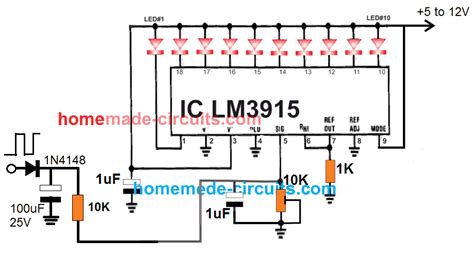
Tachometer Circuit: How it Works and How to Make One
What is a Tachometer? A tachometer is an instrument that measures the rotational speed of an object, typically expressed in revolutions per minute (RPM). It[…]
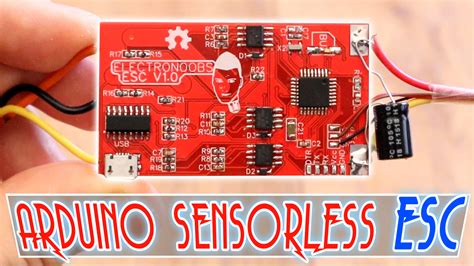
ESC Circuits – The Ultimate Guide to Get You Started
Introduction to ESC Circuits An Electronic Speed Controller (ESC) is an essential component in radio-controlled (RC) vehicles, drones, and other robotic applications. It acts as[…]
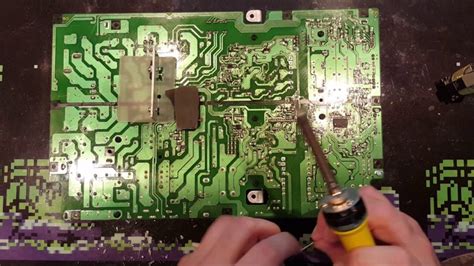
PCB cloning: Everything You Need to Know
What is PCB cloning? PCB cloning involves reverse engineering an existing printed circuit board to create an identical copy or reproduction. The goal is to[…]